

Displaying items by tag: Neighbourhood Watch
Bystander Effect

The bystander effect, also known as the apathetic bystander effect or diffusion of responsibility, is a psychological phenomenon that occurs when people are less likely to help or intervene in an emergency situation when surrounded by other individuals. In other words, the larger the number of people present, the less likely it is that any one of them will feel responsible to act.
This phenomenon was first observed and studied in the 1960s following the Kitty Genovese incident, when a young woman was attacked and killed in New York City while many people nearby listened to her cries for help without intervening. This tragic case led psychologists to examine human behaviour in emergency situations and led to the formulation of the bystander effect.
The main causes of the bystander effect include:
- Diffusion of responsibility: When many people are present, everyone tends to assume that someone else will take care of the situation. This can lead to inaction, as no one feels directly responsible for helping the victim.
- Social conformity: People often look to other people to figure out how to behave in a given situation. If the others seem calm or indifferent, the observer is more likely to behave in the same way.
- Fear of judgement: People may avoid intervening for fear of negative judgement from other people present. For example, they may worry about looking stupid or putting themselves in a dangerous situation.
To challenge the bystander effect and promote help in emergency situations, it is important to raise awareness and teach people how to react. Some suggestions include:
- Awareness-raising: Awareness of the bystander effect is the first step to overcome it. People should be informed about this phenomenon and the risks involved.
- Intervention training: People can be trained to react in emergency situations through first aid courses and specific training.
- Individual empowerment: It is important to encourage people to feel responsible and to act if they feel someone is in danger. This can be promoted through awareness-raising campaigns.
- Effective communication: In emergency situations, people can be encouraged to clearly communicate their intentions and assign specific tasks to the people present.
The bystander effect is a complex phenomenon that can have serious consequences in emergency situations. However, with awareness and education, it can be overcome and a more responsible and supportive behaviour on the part of people can be encouraged.
Neighbourhood Watch is a community approach to urban security that can make a significant contribution to overcoming the bystander effect. It involves the residents of a given area in monitoring and developing security in their community. Here is how Neighbourhood Watch can help counter the bystander effect:
- Creating a support network: Neighbourhood Watch promotes social cohesion and connection between neighbours. When people know and trust each other, they are more likely to respond when an emergency or dangerous situation arises. This sense of community can break the bystander effect, as people are more likely to feel responsible for their neighbours.
- Active communication: Neighbourhood Watch organisations often promote active communication between residents. This may include the use of chat groups, messaging apps or regular meetings to discuss issues of safety and well-being in the community. When people communicate regularly and share information, they are more likely to report emergency situations and help each other.
- Shared vigilance: Neighbourhood Watch encourages residents to be vigilant about suspicious or unusual activities in their area. This does not mean that people have to be vigilant 24 hours a day, but rather that they can report unusual behaviour to the relevant authorities. This helps create an environment of shared security where people feel responsible for the wellbeing of the community.
- Training and awareness-raising: Neighbourhood Watch organisations can provide security training and information to residents. This helps them recognise emergency situations and act appropriately, overcoming the bystander effect through empowerment and self-efficacy.
- Partnership with Law Enforcement Agencies: Neighbourhood Watch very often cooperates with local Law Enforcement Agencies to report and resolve security problems. This cooperation can improve the efficiency of emergency responses and strengthen trust between the community and Law Enforcement Agencies.
Neighbourhood Watch promotes an environment where people feel more responsible for each other and for the security of their community. This helps overcome the bystander effect, as people are more likely to intervene and help when they see an emergency or dangerous situation.
Francesco Caccetta - ANCDV Board
Impact of short rentals on community security (part one)

Short-term rentals, especially in the B&B industry, are having a significant impact on the rental market in many European cities.
The phenomenon initially affected historical centres and the most commercially attractive areas of capital and tourist cities, and then spread to secondary locations and less commercially attractive neighbourhoods, especially those with good public transport connections.
The spread of short-term rentals practice has generated as a first consequence a scarcity of available accommodation for those in need of stable housing solutions, generating difficulties for off-campus students and families looking for medium to long-term solutions.
In addition to other considerations on the cities rental market, the rapid turnover of guests in short-rented properties can have safety and security implications for both tenants and other residents.
The first significant effect of the high turnover of guests, is increased anonymity between neighbours. Consequently, there is greater difficulty in building the network of informal neighbourly relations that almost always characterises community life, limiting the spontaneous surveillance of private and shared spaces.
Temporary residents tend to adopt defensive attitudes towards themselves and their belongings rather than taking on the role of monitoring the surrounding environment, which is more typical of long-term residents.
The temporary resident, in most cases, is unable to read the signals, sometimes weak, that the unfamiliar environment transmits, reducing the level of spontaneous control of public and shared spaces, making them more vulnerable to degradation and petty crime.
The increased flow of people within apartment buildings, thanks to short-term rentals facilitated by online booking platforms, can raise the risk of intrusions, thefts, acts of vandalism, damage to common property, harassment, and assaults. This can be attributed to the temporary guests' lesser familiarity with the environment (who are often less present during the day in the rented accommodations) and the potential presence of valuable items within the rented apartments (currency, cameras, computers, and more). The commission of these crimes can alarm other residents, deteriorate relationships, and reduce the overall quality of life within the community.
A second critical element is the breaking, even unintentionally, of shared codes of behaviour by temporary residents. The latter tend to behave as if they were in a hotel, ignoring the rules of the building community and causing discomfort and conflict among neighbours.
Temporary guests are often not aware of the in-depth norms of the apartment building and may behave inappropriately or neglect safety regulations. For example, they may not be aware of the rules on waste separation or may not be willing to respect them; they may not respect silence during the night hours; they may leave the entrance doors of the building open, making it difficult for residents to monitor access; they may misuse common spaces (parking, swimming pools, gyms, etc.). Furthermore, they may not have the same degree of care for properties as long-term residents, thus increasing the risk of damage, inconvenience or accidents.
Last, but not least, short-term rental properties can be used for illegal activities if not properly controlled and regulated. Consequently, many buildings have adopted specific rules to protect the safety and tranquillity of residents while still providing some flexibility to tenants. In other cases, it has been decided to completely ban short-term rentals, a fact that is a source of frequent disputes due to regulatory uncertainties related to the novelty of the phenomenon, mostly not provided for in building regulations.
Nevertheless, despite the potential problems, it is important to emphasise that short rentals can also improve building security. Landlords who rent out their homes can be motivated to ensure the safety of their guests by installing additional security systems and monitoring their behaviour. Many landlords are safety-conscious and respect the rules of the building to offer their guests a quiet and safe stay. Owners can also be motivated to maintain building security to avoid property damage and receive positive online ratings.
Hence the call for appropriate training for landlords, and tenants, aimed at understanding how correct and conscious behaviour can significantly improve the relationship between permanent and temporary guests, in everyone's interest.
Very interesting is the approach of the UK's Neighbourhood Watch with respect to the safety issue related to the practice of short-term rentals.
In July 2021, the UK Neighbourhood Watch and Airbnb signed a partnership, as part of the UK Trust and Safety Alliance, whereby Airbnb pledges to open its doors to communities by helping temporary guests to 'live like a resident', encouraging them to stay responsibly and respectfully in the communities where they are hosted. To this end, the parties have co-published a series of mini guides.
One of these, made available to guests, has the significant title of 'How to be a good neighbour during your trip’. The guide contains brief tips on how to keep the home safe, how to park safely without disturbing residents, and how to follow house rules.
Another mini guide, entitled 'How to be a good neighbour', encourages homeowners of rented houses to create a network with their neighbours, asking them to report any problems that may arise with temporary guests and to check on the house when it is not occupied, applying the rule of good neighbourliness. The guide also suggests sharing the house and neighbourhood rules with guests to ensure their safe stay.
We are aware that agreements like the one between the UK Neighbourhood Watch and Airbnb do not solve the problem of the shortage of medium to long-term rental accommodations, due to the proliferation of short-term rentals (which are generally more lucrative for property owners). However, the agreement appears to be a good example of how community respect and safety can be reconciled with the practice of short-term renting.
We think it is a "good practice" that should certainly be followed by Neighbourhood Watch organizations in other European countries.
Umberto Nicolini - EUNWA Advisory Board
Leonardo Campanale - EUNWA President
E.U.N.W.A. annual meeting 2022: Awarding Excellences
E.U.N.W.A. Spirit
An informal atmosphere and a great desire to meet again in person. An opportunity to exchange experiences and network. A common interest in learning more about the realities of Neighbourhood Watch in the different European countries. This is the climate and spirit that characterised the sixth annual meeting of EUNWA.
After two years of virtual meetings, we finally met 'in person' in Venice on October 7th. As in previous years, the meeting was attended by representatives of Neighbourhood Watch associations from several European countries, public administrators, subject-matter experts, representatives of Law Enforcement Agencies, representatives of civil society, and academics.
A different format for our annual meeting
As you may have noticed from the title of the event, 'Awarding excellence: the French case', this year we focused specifically on the French experience of Voisins Vigilantes and Solidaires. This new format of our annual meeting responds to the need for a deeper knowledge of the various national realities of Neighbourhood Watch. Indeed, this format gives the awarding country the opportunity to present its activities in depth and share its national experience with others.
Over the past year, we have been working hard to reconnect with European Neighbourhood Watch associations and re-launch our network. We took advantage of the pandemic to completely rebuild our website, browsing in all European languages, and launched a multilingual online questionnaire to survey the situation of Neighbourhood Watch in Europe.
EUNWA's last publication on the state-of-the-art of Neighbourhood Watch in Europe “White Book”, dates back to 2015. Since then, many things have changed and are still changing in front of our eyes. We, therefore, are planning to publish a new edition of the book in 2023.
This year's EUNWA annual meeting included the Mythos Award event to honour European citizens who have most distinguished themselves in promoting Neighbourhood Watch in their community. This is an event that we would like to repeat annually for each individual country or group of countries.
Where we have met
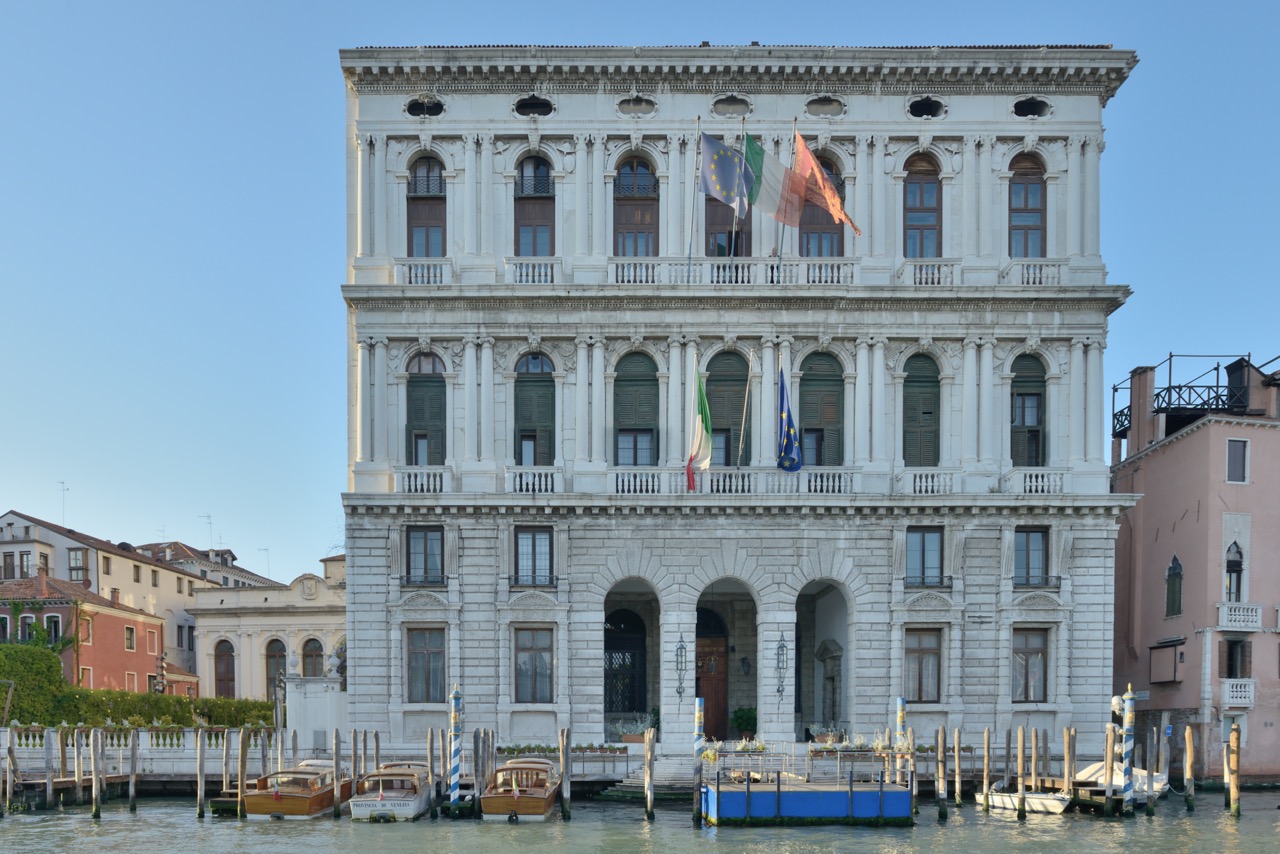
This year our annual meeting was held at Palazzo Corner della Ca' Granda or simply Ca' Corner. It is an imposing Renaissance palace in Venice, located in the district of San Marco and overlooking the Grand Canal. It is the seat of the Metropolitan City of Venice and the Prefecture.
Ca' Corner was designed by the architect Jacopo Sansovino after afire destroyed the Corner family's previous residence, Palazzo Malombra, in 1532. In 1817 the palace was ceded by Andrea Corner to the Austrian Empire, which placed there the Imperial Royal Provincial Delegation and later also the Imperial Royal Lieutenancy, corresponding to the Prefecture. Later, when Venice was annexed to the Kingdom of Italy, it retained the same destination, which still exists today.
Situated in a prestigious location not far from Piazza San Marco, the palace is characterised by its monumentality, already highlighted by its appellation Ca' Granda (Big House), which breaks the sequence of neighbouring palaces with its prominence.
Participants
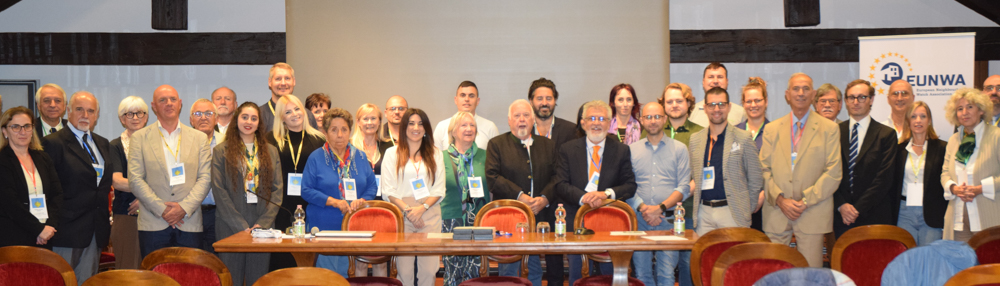
The event was attended by a large delegation from the French association Voisins Vigilantes et Solidaires, delegations from the Austrian, Danish, Estonian, Moldavian, and Italian Neighbourhood Watch associations, and one from Associazione Nazionale Controllo di Vicinato, representing the various associations and partners that are members of the Italian national network. Also present were municipal administrators, representatives of Law Enforcement Agencies, representatives of social organisations and of the academic world.
Delegates from various European countries would have certainly been more numerous but, unfortunately, due to some organisational and logistical problems caused by the new format of the event, our communication was delayed. This prevented many of our partners from attending the event due to the short notice. We apologise and promise to be much more efficient in organising the next event.
Speakers
The meeting was opened by the Councillor of the Metropolitan City of Venice, Enrico Gavagnin, who welcomed the participants
and brought greetings from the city authorities.
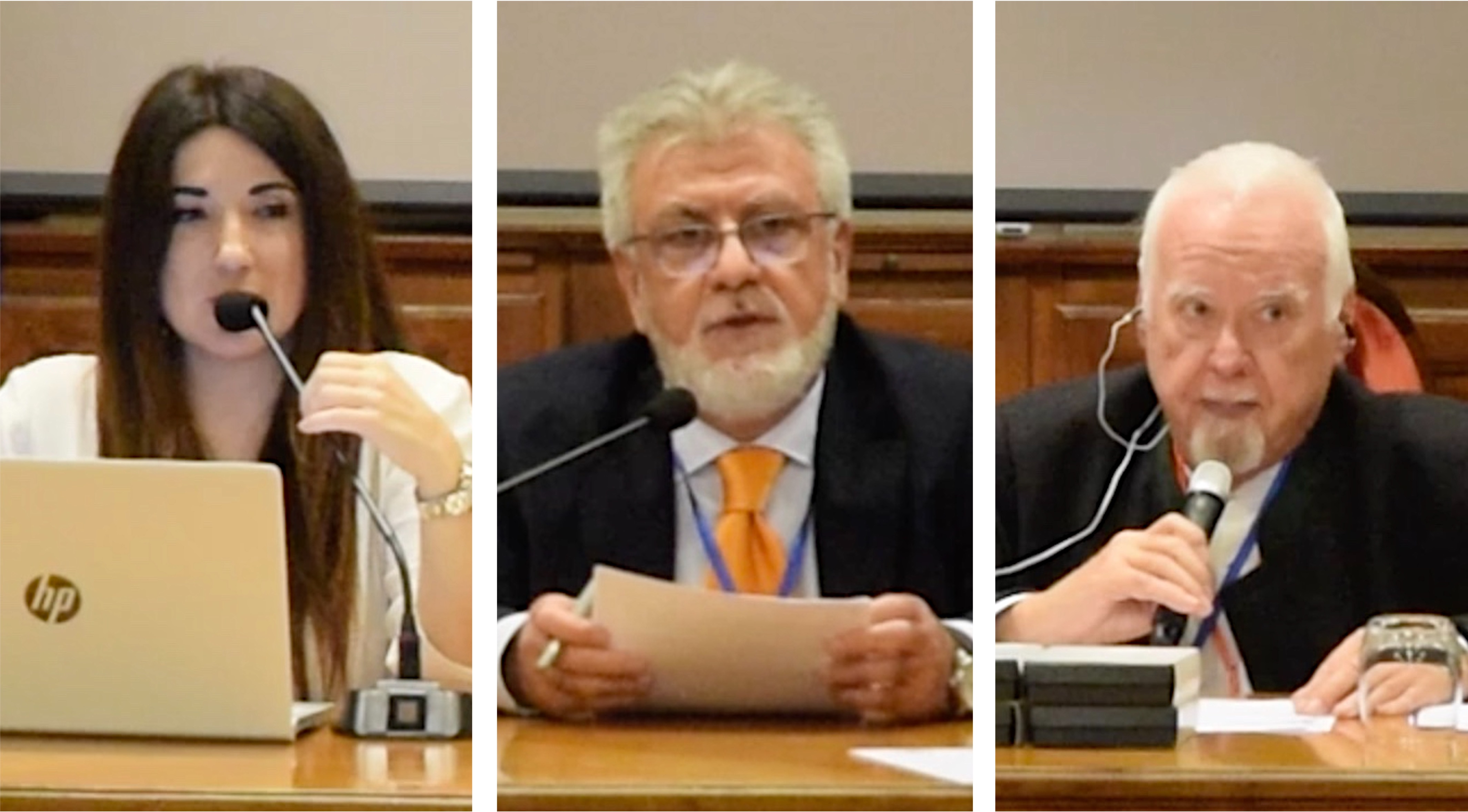 Then the honorary president of EUNWA, Karl Brunnbauer, spoke, updating those present on the latest EUNWA news, such as the relocation of the headquarters from Vienna to Venice, the new EUNWA website (browsable in all European languages), the novelty of the Mythos Award, the still in progress work to strengthen relations with all our partners, and last but not least, the survey on the situation of the various Neighbourhood Watch experiences in Europe through the distribution of an accurate on-line questionnaire. President Leonardo Campanale spoke next, focusing on the pros and cons of virtual versus real communities and the importance of neighbourhood micro-communities as a basis for the development and growth of strong, free, and cohesive communities. Vice-President Roberta Bravi concluded the speeches, focusing on the importance of cooperation at European level and the importance of public policies on security.
Awarding Excellence: The France case
 The Mythos award, conceived by Councillor Enrico Gavagnin and organised by his staff, is an
 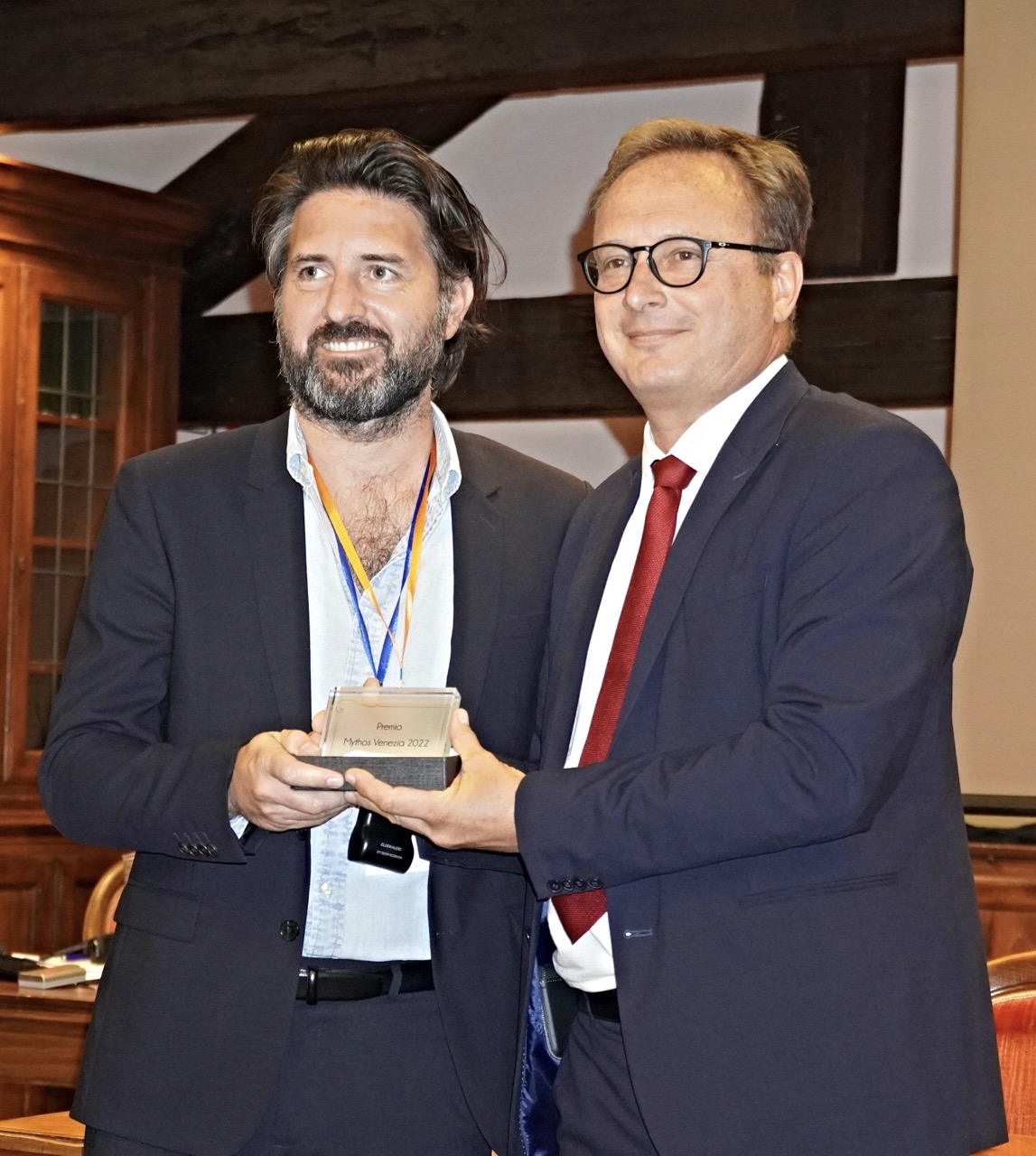 important opportunity to reward European citizens who have distinguished themselves in their communities in promoting and organising the practice of Neighbourhood Watch, and it’s an opportunity for organisations from a specific country to share with other European associations their story, progress, challenges, and the tools they use to promote the project.
The EUNWA Board decided to begin with France, which has seen incredible growth in a relatively short time (one million adherents, second only to Neighbourhood Watch UK which has three and a half million) and has developed a robust web platform to develop the Voisins Vigilantes et Solidaires network that EUNWA is currently studying as a best practice.
In addition to Thierry Chicha, president of VVS, French citizens Jack Cabral and Anthony Delbecq were awarded the Mythos Prize for their commitment to the development of Neighbourhood Watch in France.
The Voisins Vigilantes et Solidaires web platform
 The event continued with an explanation, by President Thierry Chicha, of the evolution of the VVS system over the last twenty years and the presentation of its web platform, designed to facilitate real encounters between citizens who join it. The web platform has different interfaces for citizens, municipal administrations, and the French State Police, to facilitate dialogue between citizens and institutions. The platform attracted a lot of interest, and many questions were asked about how it works.
Acknowledgements
We would like to thank the Metropolitan City of Venice for its hospitality and generous contribution, the Mythos hotel group for sponsoring the event and naming the award, the Municipality of Venice, City Councillor Enrico Gavagnin for conceiving the event and coordinating the support team, the support team itself: Camilla, Sophia, Rui, Maria Cristina, and Fausto, and the guests from Italy and other countries.
Where shall we meet next year?
EUNWA has organised its six annual meetings (2014, 2016 in Austria, 2015, 2019 and 2022 in Italy, 2018 in Greece) mainly in Central and Southern Europe. We are a European network and therefore think it is appropriate to organise the next events in Northern Europe. Applications are now open!
The day after
The following day, October 8th, the EUNWA board participated in the national conference of the “Associazione Nazionale
Controllo di Vicinato”, (the Italian network of Neighbourhood Watch), where public administrators, Law Enforcement Agencies and representatives of Italian associations discussed the topic 'Participatory Security and Horizontal Subsidiarity'.
Photo Gallery
Download speeches and presentation (EN/FR/IT)
Karl Brunnbauer (Honorary President) EN FR IT
Leonardo Campanale (President) EN FR IT
Roberta Bravi (Vice-President) EN FR IT
Thierry Chicha (VVS President) EN FR IT
® ALL RIGHTS RESERVED
Awarding excellence

After two years of virtual meetings, we are happy to inform you that the EUNWA annual event is finally back “in person” and we would like to warmly invite you to join it!
This year the event will take place in Venice, Italy, on October 7th, and we hope it will gather, as the previous years, a wide range of participants: representatives of Neighbourhood Watch associations, scientists, practitioners, subject matter experts, representatives of law enforcement agencies, civil society representatives, academics.
EUNWA has the ambition to become a centre for the study and documentation of participatory security in Europe, and this requires in-depth knowledge of each national reality. Therefore, its Board has decided, as of this year, to change the format of its annual meetings. Based on the experience of our past meetings, we have found it more profitable to focus on one country at a time, in order to better understand it. This year the French Neighbourhood Watch (Voisins Vigilants et Solidaires - VVS) will be the main focus.
Two French citizens who are members of the Voisins Vigilants et Solidaires network and its President, Thierry Chicha, will be honoured with the “Mythos Award”, a prize created in collaboration with the Metropolitan City of Venice and the Mythos hotel chain, which aims to reward citizens who have particularly distinguished themselves for their commitment to promoting “participatory security” in their communities.
The award ceremony will be held in the prestigious venue of the Metropolitan City of Venice, PALAZZO CA' CORNER, Nassivera Hall, San Marco 2662, 30124 Venezia – Italy.
The event will be attended by local civil authorities and representatives of Italian and European Neighbourhood Watch associations.
During the event, our French friends will illustrate the development strategy of their network that has led them to reach one million members in just a few years. They will also present the VVS web platform, whose development and dissemination have been crucial to their growth.
We count on your active participation in order to make this event successful!
Registration to the event is required. Registration link here: https://forms.gle/riEkQegJaTj8aJrE7
Looking forward to seeing you in Venice!
the EUNWA Board
® All rights reserved
Neighbourhood Watch: a matter of trust

The Neighbourhood Watch programme has its roots in the criminological 'Situational Prevention' and 'Theory of Routine Activity’. The scope of intervention of Neighbourhood Watch is very specific, and never overlaps with the functions performed by the police: the repression of offenders remains an exclusive domain of the law enforcement agencies.
However, participating in community security requires not only a significant cultural change on the part of the institutions and the police, but also a cultural change in civil society.
It is not enough for citizens to trust the police and for the police to trust citizens, but it is also necessary for citizens to trust each other. It is fundamental to realise that security is an issue for the whole community, and that there is a strong interdependence between your own security (real and perceived) and your neighbour’s.
How the Neighbourhood Watch works
Residents can interpret and understand the private space and context in which they live (be it people or situations) better than the police, which makes them capable of identifying risks and criticalities in private contexts that the police do not routinely monitor and in which most predatory crimes occur. With Neighbourhood Watch, this interpretative ability is made available to the police for a better chance to intervene in the prevention and repression of petty crime. The knowledge and ability to interpret the context characterised by micro-community places represent an added value for citizens in participatory processes, both related to security and to many other aspects of community life.
Another important aspect is that residents are the only ones who can implement specific passive prevention actions in their private spaces for specific vulnerabilities (e.g., install high quality locks, install alarm systems, change of habits and behaviour, etc.).
Different approaches
The emergence and development of the Neighbourhood Watch in Europe has followed different paths depending on the history, political situation, and regulatory framework of each country. However, they all have in common two possible approaches to launch the programme: top-down or bottom-up approach.
Top-down approach means promoting the Programme through the institutions. This approach assumes an initial relationship of trust between citizens and police and can last as long as this trust relationship remains high. If the trust relationship breaks down, there is a high probability that citizens will stop cooperating with the police. This approach is difficult to apply where there is a historical distrust between citizens, institutions, and the police.
In Bottom-up approach citizens self-organise into Neighbourhood Watch groups. In many European countries, Neighbourhood Watch was established directly by citizens, and only later supported by the institutions and police (e.g., in France or Italy). In areas where Neighbourhood Watch started from the bottom-up, there was a good level of social cohesion and sense of community, and a good response from the mayors and local police. On the other hand, Neighbourhood Watch hardly started in areas where individualism is highly developed and social solidarity is lacking.
However, there are still some countries in Europe where the Neighbourhood Watch is barely tolerated by the authorities due to historical and cultural factors. These factors can be summarised in an atavistic distrust of citizens towards institutions, or a suspicion towards citizens' participation in the security of their communities, seen as interference in the institutional activities of law enforcement agencies.
Positive side effects
Based on Neighbourhood Watch experiences in both Western and Eastern Europe, some recurring positive side effects have been observed:
- reduction of perceived insecurity in the communities (this is extremely important because very often people think, and vote, based on this perception and rarely on objective crime statistics.);
- reduction of petty crime rate (the Ministries of the Interior of several European countries claim a reduction in crime from 20 to 40 per cent in areas where this programme is well developed.);
- improved citizen dialogue with police and institutions (dialogue is better structured where community policing policies have been implemented.)
Where Neighbourhood Watch is implemented and there is a good level of cooperation among neighbours and between neighbours and the police, we generally witness:
- an increase in social cohesion and citizens' sense of belonging to their community;
- an intensification of dialogue between citizens and institutions (especially at local level);
- a readiness of the institutions to develop processes of participatory democracy and the willingness of citizens to participate in them.
Ready for Neighbourhood Watch?
If the society is not ready for the promotion of Neighbourhood Watch programmes, by introducing into the public debate the principle that security is a matter not only for institutions but also for each individual citizen, the consequences could be counterproductive. Its 'forced' introduction could generate a perception of a loss of authority and status on the part of the police, and a fear of being 'evaluated' by citizens or, on the part of citizens, of becoming 'confidants' of the police. Instead, we are deeply convinced (and experiences in the field have proven it) that listening to citizens about their security needs and involving them, within a clear and defined legal framework, does not mean a loss of authority, status, or professionalism on the part of the police, but an increase in the latter's ability to prevent and repress crime.
Leonardo Campanale - EUNWA President
® All rights reserved
Neighbourhood Watch in Europe: the French case

Interview with Thierry Chicha, President of "Voisins Vigilants et Solidaires”
In France over the last decade, the Voisins Vigilants et Solidaire (VVS) programme has developed strongly and gained a lot of public visibility. We interviewed its President, Mr Thierry Chicha, to understand the reasons for this rapid expansion, what difficulties they have faced and what their future plans are.
Good morning, Mr Chicha, and thank you for this interview. We have read on your website that the VVS system has now been adopted by more than six hundred French municipalities and some Belgian municipalities, and that more than one million citizens have signed up to it. This growth is unparalleled in any other European country in the last ten years. What is the reason for this increased interest?
Hello EUNWA team and thank you for your interest in the initiative we are developing in France. Things are evolving fast... we are more than 700 cities at the moment. In my opinion, the key to the success of Voisins Vigilants et Solidaires in France is the communication tool. We have invested between 2 and 3 million euros and almost 20 years of work to develop a reliable web platform, mobile application, SMS, and telephone messages exclusively dedicated to the Neighbourhood Watch with all the necessary safeguards.
What is the average size of the municipalities participating in the scheme and in which areas has it developed most?
There is no real rule ... it goes from 50 inhabitants to 500 000 inhabitants.
Have you had the opportunity to reflect on why the VVS scheme has developed more in rural and peri-urban areas than in urban areas? Is it possible that the programme has taken root mainly in areas where there are more solid networks of social and neighbourly relations, which is often absent in cities where anonymity prevails? Do you think that the current organisational and participation model of VVS can also take root in big cities or do you foresee a change of strategy to achieve the "villages in the city" effect?
I quite agree with this first analysis, I would also add the type of housing. Voisins Vigilants et Solidaires is a system that mainly focuses on the problems of theft and burglary, and these problems are over-represented in houses compared to flats. That said, this is not as true today as it was 10 years ago. A city like Marseille, for example, is gradually deploying the system.
What, if any, is the typical profile of the citizen joining the VVS scheme?
As you know, with 1 million participants, the VVS is increasingly a reflection of the French population. Homeowners are obviously over-represented, and the average age is therefore a little higher than that of the rest of the population.
VVS has developed a web platform enabling virtual dialogue between citizens, local authorities, and the police on security issues. Of the one million citizens registered, how many actually use the platform?
Roughly 50% of subscribers receive regular alerts and consult them immediately.
When registering on the VVS platform, do citizens have to subscribe to rules of behaviour? For example, how do you manage the social anxiety that may result from reporting false positives or alarmist messages, and how do you manage any messages of hatred, discrimination, or political controversy?
Of course! All VVSs commit to respecting a charter of good conduct. All alerts are broadcast within a restricted perimeter (delimitation of sectors carried out by the town hall). The VVS are trained in partnership with the Police. All contact details of registered users are checked by our teams. All alerts are checked by our moderators and the authors can be sanctioned.
Without questioning to the personal responsibility of those who carry out actions contrary to the law, do you have a mechanism to exclude from the VVS system those who intervene personally against thieves, as happened in the municipality of Hénin-Beaumont, going beyond the mission of VVS and acquiring prerogatives that are the exclusive responsibility of the police?
Let us specify that there has never been the slightest drift noted in the framework of the VVS system for 20 years and on 1 million members. The event to which you refer has nothing to do with VVS. I am even convinced that it is the absence of VVS that leads to this kind of drift. The inhabitants organise themselves; they are not trained; no framework is set up and that is where it can go wrong. It is important that the public authorities become aware of the problem and rely on a solution validated by the national police in order to structure these angry inhabitants.
Has vigilantism ever developed within VVS communities? We know that these activities are strictly forbidden by the laws of the French state.
No, never!
In addition to the revenue from the costs of municipalities joining the VVS scheme, do you receive other subsidies from the French state? For example, through the FIPD (Fonds interministériel pour la prévention de la délinquance)?
Membership of the VVS scheme for individuals is completely free of charge, regardless of whether the town council is a member of the scheme or not. Municipalities’ membership represents 95% of our income. Some municipalities can get funding from other local, regional or national institutions, but this does not really concern us directly anymore.
Notwithstanding the controversy between the left and the right in France about the effectiveness of VVS, a million adherents of your device may appeal to politicians as a potential voting pool. Have you ever been courted by any party? And in general, what is your relationship with political parties?
It goes without saying that we are apolitical.
Citizens registered on your web platform can report problems related to safety and urban decay to their municipality (if it is also a member of the scheme) using case codes. Is there a channelling process behind these reports? Who handles the reports? Do citizens who submit reports receive feedback from municipalities?
There are as many operating methods as there are town halls. Our tools (once again, this is the key) allow us to adapt the operation of the system to the size and problems of the municipality.
In France, the political-administrative model is strongly characterised by state centralism and does not include the possibility of citizen participation in policing. Some things have changed since the serious terrorist attacks of 2015-2016. In fact, already in 2011, after the birth of VVS, the French state launched, with the circular of the then Minister Claude Guéant, the "Participation Citoyenne" initiative, a pact of collaboration between prefects, police forces and municipalities under the supervision of the Ministry of the Interior. How did you interpret this decision? Was it an opening of the French State to the participation of citizens in the security of their communities, or was it an attempt to "saturate the spaces" and prevent your "bottom-up initiative" from gaining a foothold outside the institutional sphere? The coexistence of the two systems created some problems for mayors who often did not understand the difference and controversy in the press due to the fact that VVS was paid for (by municipalities). How did you manage this problem?
What was the original intention ... I honestly don't know. One thing is for sure: today the institutions are moving closer to VVS. The simplistic opposition of free VS paying has had its day and many municipalities, police stations, gendarmerie brigades realise that if they want to set up a system that works without being obliged to dedicate a civil servant to it all year round ... VVS is the right solution! Our recommendation is to systematically implement VVS + Citizen Participation.
With the circular of 30 April 2019 the Ministry of the Interior Christophe Castaner states that "private systems can be complementary to the state apparatus", with an implicit reference to VVS. This seemed to us to be a further step forward by the French state towards bottom-up citizen initiatives on security. The subsequent signing, in February 2021, of an agreement between VVS and the “Direction Centrale de la Sécurité Publique” seems to us to have been a radical change of perspective. Do you foresee an operational convergence between the two systems in the future?
This is indeed a big step! And I can't tell you at this time what will happen in the coming months ... we are moving forward on different topics.
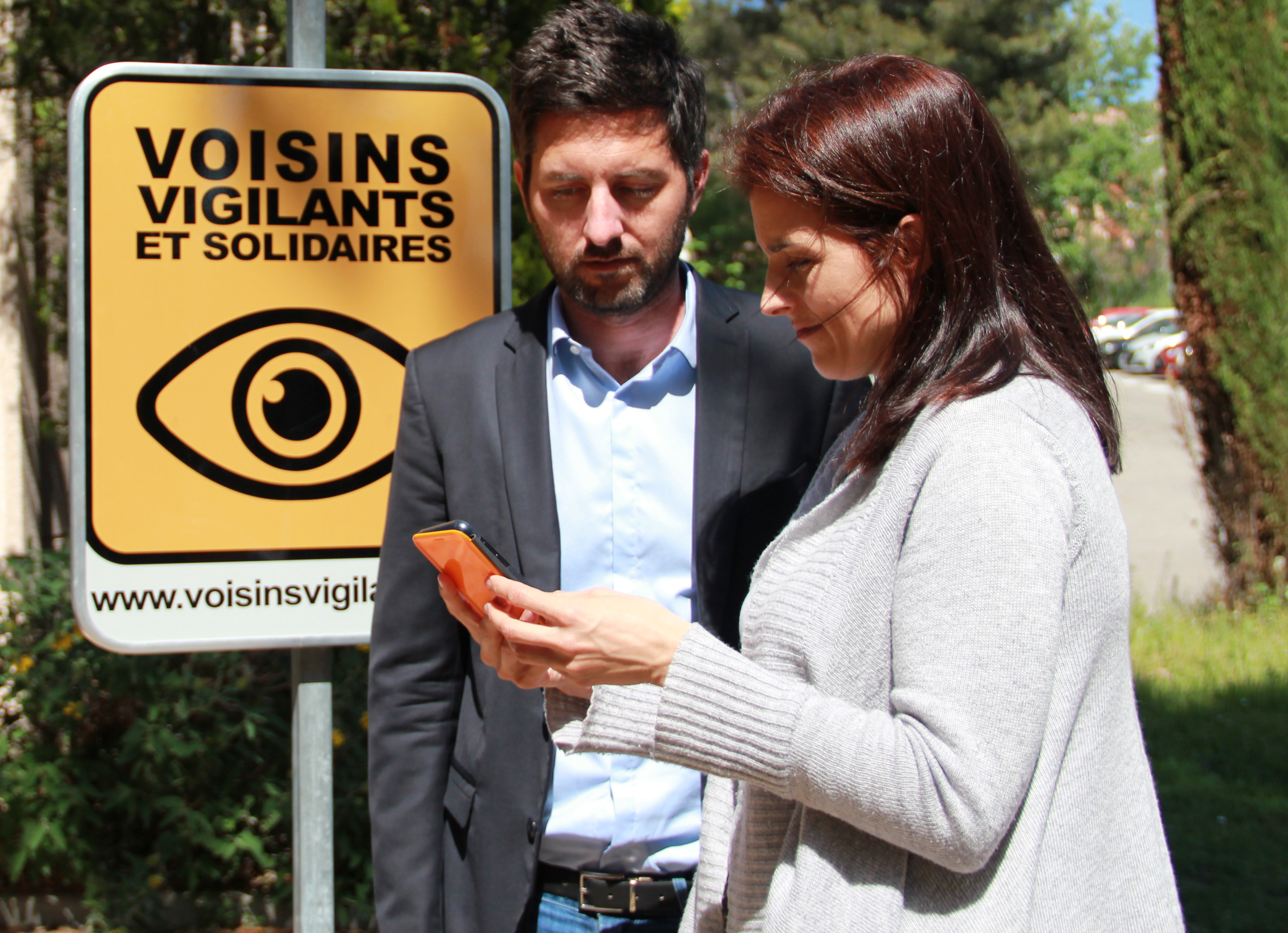 VVS groups are present in suburban and rural areas, representing mainly homeowners, often elderly, who fear property crime. In your opinion, does this not pose problems of representativeness, effectively endorsing social fragmentation and the exclusion of undesirable groups? For example, what is the percentage of residents of foreign origin who adhere to the scheme?
This is of course not a question that is asked in the registration form. I have no data to answer this question.
Is there any content on the VVS platform other than community safety issues?
Yes, of course, the VVS have a neighbourhood newspaper and a message board. It is not uncommon in these spaces, which are quite distinct from the alert, to see exchange of messages for lost pets or neighbourhood meetings.
Do you have evidence of the participation of the VVS in other activities and social networks (as is often the case in other European Neighbourhood Watch experiences), committed to the safety and decorum of neighbourhoods, such as the "exploratory walks" that took place in some French cities to reappropriate public spaces invaded by prostitution or drug dealing?
I have no data on this subject.
Given the increased involvement of institutions in the VVS scheme, is there a real possibility that in the future representatives of the VVS will be formally involved in the activities of the CLSPD (Conseil Local de Sécurité et de Prévention de la Délinquance) as was the case in Rennes? This would also allow the voice of citizens to be heard in more targeted prevention and law enforcement actions.
This is already the case in the majority of municipalities that have a CLSPD and VVS.
In your opinion, is there a risk that VVS, which has been promoted as a participatory model on the issue of security, could, in time, serve as a way for local and national authorities to channel citizens' complaints, preventing them from overflowing onto social networks or, even worse, resulting in protest movements, without receiving an effective response from the institutions?
No. I do not feel that the authorities are willing to do this at all levels. Moreover, VVS remains an independent organisation.
On an individual level, citizens involved in the VVS network can be gratified by involvement and active participation, developing feelings of usefulness, and belonging to the community. These activities produce positive concrete effects such as the reduction of thefts and a greater sense of security in the neighbourhood. In general, do you think that VVS can also contribute to lobbying for better local and national security policy?
Our DNA is not to lobby but to do. We are currently working on various projects: video protection, securing shops, connected alarms, partnerships with housing stakeholders, etc. In this way, we hope to contribute in a very modest way to the reduction of insecurity. We obviously give our full support to the police, gendarmes, and municipal police officers, it is thanks to them that we sleep peacefully.
It is certainly complex to establish a statistical correlation between the presence of Neighbourhood Watch activities and a decrease in predatory crimes. There are many variables to consider, from the Covid pandemic to the arrest or displacement of thieves operating in a particular area, to the general reduction in these crimes. The French press reports different percentages of effectiveness, and the Ministry of the Interior speaks of a 40% reduction in crime. The difficulty of measuring the real impact represented by citizens' participation in the security chain is common to all European Neighbourhood Watch realities. What is your opinion about this?
The reduction in crime is undeniable ... but by how much? We do not have the time or the means to conduct a large-scale study on this subject.
We will follow the development of VVS with great interest. We look forward to interviewing you again to follow your new developments.
I would like to add one last point: In partnership with the EUNWA, we have always wanted to deploy an effective Neighbourhood Watch in Europe. The approach that we have implemented in France is working. If some of you wish to rely on us to develop your NW in your country, we would be delighted to help you, in particular by providing you with all our tools.
Thank you very much Mr. Chicha!
Visit the website of Voisins Vigilants et Solidaires www.voisinsvigilants.org
EUNWA® all rights reserved
In the burglar's mind

Throughout time and culture, human beings have always had the urge to take goods that are not their own. Entire civilisations of the past have based their existence and success on this attitude. It is thanks to laws, moral codes, and the judgement of our peers that this instinct is, for most of us today, repressed and does not manifest itself.
This perspective might be annoying, but after all, criminal behaviour is only one of the many ways of acting and behaving in society. Therefore, in order to know, prevent and combat crime, it is necessary to know the social factors, the psychological dynamics, and the interrelationships between individuals, groups and the environment that underlie human behaviour.
In particular, if we deal with home burglaries and their dynamics, we have to consider that the burglars have every interest in keeping us in a condition of irrationality when we think of them and their activities. Dehumanising[1] them, blurring them into an indistinct outline or into the undifferentiated, generic, and not too veiled racist categories of 'foreigner', 'outsider’, 'gipsy', 'junkie' prevents us from focusing on their way of thinking and acting and distances us from actual solutions. It’s true, some individuals belonging to these categories are often perpetrators of predatory crimes - sometimes disorganised and with uncertain outcomes - as they are the individuals who do not belong to these categories, but this is not the point. Instead, we need to re-establish the human dimension of the predatory act. We need to humanize the offender (not for do-goodism, a category unknown to criminological disciplines) but because this is the only way we will be able to understand how to counteract their activities.
Burglars are human beings who act rationally, and we can, therefore, interpret their way of thinking and prevent their actions. Imagining them as an invisible and idealised enemy only puts us at risk of underestimating their rationality, and therefore their expertise.
Burglars try to achieve their goals by investing the minimum amount of resources and taking the fewest possible risks. Their logic is not dissimilar to that of an entrepreneur or consumer: 'get the most for the least'. This does not mean that every burglary is based on a careful consideration of risk and reward, but it does imply that the burglar’s choice of target is not random, but influenced by cost and benefit considerations.
Despite individual preferences (often governed by changing environmental factors), decades of research have shown how recurrent are the modus operandi of burglars with respect to the sequence of the decision chain, the nature of the environmental signals used to search for the optimal target, and the method of search within the property.
The studies carried out so far by specialists (criminologists, sociologists, and psychologists) show us less impulsive burglars, governed by a certain rationality, who uses a heuristic approach (a procedure that makes it possible to predict an outcome, which must then be validated) based on the decisions and actions they have carried out in the past. They depict a typical burglar as someone who typically makes the initial decision to commit a burglary and then embarks on a series of chain decisions until the burglary is accomplished.
The instrumental need for money is overwhelmingly the main motive for committing a burglary, but many studies have also highlighted the role of an increased sense of physiological arousal that the burglar experiences before, during and after the burglary. Although burglary remains primarily an instrumental crime (as opposed to expressive crimes, such as crimes of passion or sexual assaults), it would be a mistake to underestimate the role played by emotions in the burglar's cognitive processes.
Scholars are unable to determine whether the burglars consider the harm to their victims when choosing their target. In most cases, this concern seems to be absent (depersonalisation of the victim). If some sort of empathy is present, it is likely that the burglars will implement some sort of self-censorship in order to be able to accept the fact that they will commit the predatory act even if it will cause problems to others.
It should be borne in mind that more experienced and better organised perpetrators of property offences often tend to minimise the consequences of their offences, so that in the event of arrest and judicial involvement, they would be able to benefit from a less severe sanction than it would be the case for an aggravated offence.
It is equally probable that in the burglar’s mind techniques of neutralization are set in motion, such as the "minimization of the damage" (D. Matza, 1969)[2], in order to allow the burglar to relieve themselves and to silence their possible feelings of guilt.
The understanding of the functioning of the burglar's mind around and within the scene of the burglary is based on experimental research carried out over the last 30-40 years. These have highlighted the presence of unconscious processes in the burglar's mind, which become automatic over time, through practice and recognition of environmental signals, together with more deliberate and conscious decisions and behaviours. These are processes very similar to the ones of other categories of people and professions.
Indeed, there is no reason to think that burglars should differ from the rest of the human beings in terms of the decision-making experience.
The empirical model postulated by Nee and Ward[3] comprises four stages of the decision-making process occurring in the days, hours or minutes prior to the commission of the burglary:
- Automatic, unintentional, pre-conscious assessment of the environment;
- Automatic recognition of environmental cues related to the intended crime during target selection;
- Activation of complex cognitive patterns, built up through practice, which allow instant and compensatory access to a rich number of examples and a heuristic procedure (which does not follow a clear path, but relies on intuition and the temporary state of circumstances). This in turn leads to:
- Quick responses to environmental cues that have worked in the past, in the form of execution of a script based on proven methods, allowing for a relatively automatic commission of the predatory act.
During their daily activities (work or leisure) burglars may have noticed the high market value of a location associated with elements of vulnerability. Their superior situational awareness and selective attention to signals associated with predatory activities will automatically and unconsciously attract their attention.
Burglars go to a specific area that they consider favourable to burglary and based on their experience look for a suitable target that will allow easy gain at low risk. Burglars may also intentionally go to an area where they have already committed other burglaries, knowing that other accessible opportunities will present themselves in that area. In both cases, when they are at the chosen location, they will evaluate the combination of different environmental cues in order to choose the most favourable target.
The idea that burglars scan the environment as part of their routine activity has been known since research on predatory offenders began.
In 1984, researchers Bennet and Wright[4] coined the term 'seeker' to indicate that burglars choose their target using previously learned environmental cues that indicate that the property being attacked has vulnerabilities. That indicates that the burglar, in most cases, does not have an opportunistic or impulsive approach.
Typically, the decision to commit burglary emerges before the choice of target. Different aspects of the observed properties may attract or deter the burglar (the assessment is made automatically and instantaneously as soon as the burglar arrives in a vulnerable environment).
If burglars are discouraged, they will look for an easier and equally profitable target nearby. In the new location, burglars may detect new targets that meet their needs or that could yield better results. This encourages them to undertake new explorations.
Exploring unfamiliar areas is a little riskier and burglars will take care not to appear out of place and will try to feel comfortable with passers-by and residents who may be watching them (especially if a Neighbourhood Watch programme is in operation in that area), passers-by and residents that the burglars will monitor throughout the search for the target.
The more experienced the burglars, the less discouraged they are by the security features of the property. They have higher levels of skill and greater self-efficacy. They feel safer exploring unknown territories further from their home than their less experienced counterparts. As a result of their increasingly rich and interconnected cognitive patterns, they can draw useful inferences even from small amounts of information with which they are partially familiar. This explains the (often excessive) confidence seen in experienced burglars.
Features assessed by burglars include property furnishings and valuables that can be seen both inside and outside the property, as well as vehicles. These considerations, along with those of accessibility (detached property, semi-detached, side or back access, dense vegetation in or around the property, etc.), will allow for a better assessment of the property and increased opportunities for entry and exit. The most common method of access to property by a burglar, however, remains through an open window or door.
There is an abundance of information and signals in the environment that burglars interpret as attractive or deterring when assessing their potential targets. Scholars wondered whether particular signals or classes of signals have more influence than others on the burglar's decision-making process. The answer was no. It appears that the decision-making process of the burglar is complex and dynamic, and it is a process in which different signals in the environment combine and compensate for each other (suggesting dense, interrelated patterns). The meaning of these signals from the environment may also change based on time, or there might be multiple ones at the same time. For example, the presence of many trees and vegetation in a garden may increase the perception of the overall value of the property, but will certainly also reduce its security, allowing the burglar to hide and assess the potential target more accurately on entry points and the presence of the owners without being seen. A back and side access similarly often indicates a larger and richer property, but also increases the opportunity to enter it from different points.
Burglars return to the location where they spotted a vulnerable residence noticed during a routine activity (e.g., during a work or leisure activity) using environmental cues (wealth, accessibility, etc.). They are highly likely to make several visits to better assess the target and decide the best time of day to carry out the heist.
Burglars also steal on commission. Once the goods to be stolen have been identified, other indications (such as the presence of the owners, accessibility, and security systems) are used to decide when to actually commit the burglary. Once the target has been chosen, its characteristics will determine which way the burglar will enter.
In accordance with the mental processes used to assess the target from the outside, during the burglary the burglars will undertake a 'habitual, proven search', a hybrid of what has worked in the past, which has given them higher results at lower risk, i.e., allowing them after the burglary to leave the property unscathed as quickly as possible. It seems reasonable to assume that burglars continue to use superior schematic knowledge to get out of the property and away from the burglary site, on foot or by other means.
Searching then becomes a natural instinct, a routine that allows them to concentrate on what is happening around then and, at the same time, look for objects to steal. Most of the concentration, however, is on the risk of someone finding out.
Internal layouts that are obvious and familiar, or even properties that they have already plundered (or similar to those), and the adoption of the heuristic of 'tracing', will facilitate their research and learning process.
Based on research carried out by the researchers, hundreds of convicted burglars interviewed stated that they would target the master bedroom first, then the other bedrooms and finally the rest of the house if they had the time.
Several studies also report that most burglars prefer a target that is not occupied by residents. The same sources report that burglars only enter occupied properties if no other target is available and provided that the occupants are asleep, but always taking care not to encounter their victims. The presence of residents is one of the strongest deterrents. Residents, if they realise that a burglar is trying to break in, can react and/or call the police. Confronting the owner is an experience that burglars want to avoid like the plague and may force them to retrace their steps.
Studies carried out in 2014 in the UK and the USA by criminologist E. Taylor[5], involving 40 convicted burglars, found that some burglars refrain from choosing their targets if there are children or elderly or disabled people in the home. However, the researchers were unable to demonstrate that some homes are spared because burglars demonstrate empathy [an affective response derived from an understanding of another emotional state or condition] for these specific categories of victims. This is a topic that deserves further investigation.
Burglaries and robberies
Every now and then there are reports of burglars breaking into houses armed to steal. In these cases, it is a robbery. Let us assume, based on what has been said so far, that the advantage the robbers think they will gain from it outweighs the high risk they are taking. In such cases, therefore, it is better not to run into them, because if robbers accept the risk of running into their victim, it is never good news for the victim.
Robbers are often people with no scruples and no empathy for the victim. We cannot exclude that we are in the presence of an antisocial personality disorder[6]. Their lack of empathy fosters their antisocial and criminal behaviour, allowing them to ignore the harm done to their victims by opening the door to socially and humanly unacceptable actions. Robbers usually move around in fast cars. They are commuters who move from county to county or even from country to country. They prefer to target isolated houses in the countryside, suburbs, or hamlets, preferring those close to the road to ensure an easy escape route. They almost always break in at dinnertime to take the whole family hostage, using violence on their victims to force them to reveal where the safe or money is hidden. They often have their faces disguised, wear gloves and leave few traces. In such cases, the best strategy is to reduce the damage by not making the criminals nervous and by putting protection of life before protection of property.
Experienced and inexperienced burglars
“Experienced burglars”, whose modes of operation are all similar, tend to steal fewer but more valuable items. Less experienced burglars, on the other hand, grab whatever seems valuable to them. In an experiment conducted in the UK in 2006 by psychologists Nee and Meenaghan[7], involving 50 prisoners convicted of burglary, the researchers found that more experienced burglars had a greater ability to recognise high-value goods. For example, they avoided electronic gadgets that depreciated quickly and focused on smaller items such as jewellery, drugs, electronic gadgets that did not depreciate quickly and cash. In the same simulation, burglars spent significantly more time in areas of the house where they could find higher value items. Goods such as silver, porcelains, antiques and works of art (with a higher commercial value) are stolen much more rarely because it is too risky to get rid of them, indicating that the burglar uses a clear strategy to avoid being identified after committing the burglary.
Selection and resale of stolen goods
The size of the stolen goods is related to the ability of the burglars to transport them. Isolated houses (perhaps without neighbours who may be aware of their presence) and the possibility of approaching by car, together with an easy escape route, will allow the burglars to transport larger items. In other cases, they will aim for small, easily transportable items.
Scholars know almost nothing about the cognitive and emotional processes that take place in the hours or days following the burglary, apart from the way in which the burglar disposes of the stolen goods. It would therefore be useful to gain a better understanding of what goes on in the burglar's mind, not only during the time of the burglary itself (planning, preparation, execution), but also afterwards, when the stolen goods are disposed of.
Let us empirically assume that after the burglary the priority in the burglar's mind is to convert the stolen goods into cash as quickly as possible (it is therefore not surprising that burglars pay special attention to who they sell the stolen goods to). We also assume that few of them keep stolen goods (perhaps weapons are an exception) so as not to be linked to the burglary in case of a search. It would be interesting to better understand when and why the burglars use the stolen goods for himself or when they decide to put them on the informal and clandestine market. From this choice it could be inferred whether the offender is more or less occasional or more or less organised. It should also be borne in mind that, in the latter case, there may be the possibility of finding the same goods again through other channels, which will lead to the commission of other forms of crime, such as laundering or self-laundering.
Most burglars do not make much effort to obtain better prices from fences, accepting offers that meet their immediate needs. Experienced burglars, on the other hand, tend to bargain for more acceptable prices from fences and are much more careful in choosing to whom they sell their stolen goods. They rarely sell to friends or family members.
A study by J. Clare (2011)[8] suggests that for many burglars the ways to avoid being caught after a burglary may be much less developed and sophisticated when compared to the superior skill demonstrated during the execution of the burglary itself.
We should capitalise in terms of prevention on the fact that we know that burglars entering a home expects an environment with which they are 'familiar'. An environment in which their routine and expert behaviour works well without having to think too much about it.
While the burglary is in progress, sudden and unexpected events may lead the burglar to give up due to cognitive overload and the resulting anxiety. This seems to be a potential deterrent that is not yet sufficiently exploited in predatory crime prevention techniques.
Presenting the burglars with unexpected environmental layouts[9] or sudden noises and voices could deter them and destabilise the overconfidence they have in themself based on their accumulated skills.
Leonardo Campanale - EUNWA President
[1] It is a radical form of devaluation that consists in the denial of the other's humanity. On this subject, see Deumanizzazione, Chiara Volpato, 2011 Laterza.
[2] Matza D., Becoming deviant, New York, 1969.
[3] Ward, T. & Nee, C. (2009). Surfaces and depths: evaluating the theoretical assumptions of cognitive skills programmes. Psychology, Crime and Law (special edition on Offender Cognition and Emotion), 15, 165-182.
[4] Bennett, T. &. Wright. R. (1984). Burglars on burglary: prevention and the offender. Aldershot: Gower.
[5] Emmeline Taylor (2014). Honour among burglars? How morality and rationality influence the decision-making processes of convicted domestic burglars. Sage Journals. Volume: 14 issue: 4, page(s): 487-502.
[6] Diagnostic and Statistical Manual of Mental Disorders, Fifth Edition [DSM-5]
[7] Nee, C., & Meenaghan, A. (2006). Expert decision-making in burglars. British Journal of Criminology, 46(5), 935-949. doi: 10.1093/bjc/az1013
[8] Clare, J. (2011). Examination of systematic variations in burglars' domain-specific perceptual and procedural skills. Psychology, Crime & Law, 17(3), 199-214. doi: 10.1080/10683160903025810
[9] For example, darkening the room by setting off alarms, which are already widely used, filling the house with smoke.
Why our home can be a target?
One of the many questions we ask ourselves when our house is burgled is 'Why did the burglars choose my house? The truth is that there is no single answer. There are many factors that can contribute to the burglar's choice. Let's look at some of them.
Occasional and organised burglaries
Let's start by dividing home burglaries into two main categories: occasional burglaries and organised burglaries.
We are aware that such a clear-cut division of the type of burglary may not always correspond to the reality of the facts, since in some cases an occasional burglary may later turn into organised burglary, or an organised one may include, during its execution, the opportunity to steal something else if the occasion arises. There are no 'only' organised or 'only' occasional burglars, as the two modes of execution may overlap in the same offender.
However, in general, these two modalities, that have different effects on our property and that are prevented by slightly different strategies, belong to two different categories of offenders, operating in different ways.
Let us begin by describing the two methods and their similarities and differences.
In a casual burglary, in most cases, the burglar does not know our habits, neighbourhood, and wealth, or know very little about them. They move around the area they have chosen in search of opportunities, using primitive intelligence techniques. For example, they may leave a stone or a branch in front of a house’s door or garage and come back a couple of days later to check if the object has been removed, to understand if the resident is home or not. The burglar could also simply rely on the fact that a house represents an immediate opportunity (an open window, an object to steal clearly visible from the street, etc.).
On the contrary, in an organised burglary where the place to go stealing is defined priorly, offenders need to know our habits, our home and the neighbourhood context; in fact, they observe them directly with targeted surveys and/or acquire information from other sources (from the Internet, from neighbours, in bars, in their criminal environment). Neighbourhood Watch surveillance activities are used, in fact, to prevent, as far as possible, offenders from patrolling our area to acquire new targets or to gather information on already selected targets. The presence of Neighbourhood Watch signs also serves to discourage offender observation activities.
There is another aspect that differentiates the two types of burglary. Casual burglary is usually more invasive and destructive. After the execution of a casual burglary, we see houses turned upside down. Occasional burglars generally don’t know how much time they have available. They are therefore forced to rummage quickly and everywhere, starting from the most obvious places. Though they often overlook valuable items, if they are well hidden.
In general, the occasional burglar runs more risks than the organised one. The lack of information about the context, the victim's habits, and the presence of passive prevention systems in the house makes it a typical 'hit and run' theft, as the longer the burglary lasts, the more risks the occasional burglar may run.
On the contrary, organised burglars try to manage the risks of their activity with preparatory intelligence work. But even then, unless they have unlimited time at their disposal, they will have to deal with the unexpected, carefully managing the timing of the burglary.
What makes our house attractive to offenders
There are several factors that influence the choice of our home as a possible target for burglars.
For occasional burglaries, there are some elements that definitely favour them, for example the absence of residents. No burglar wants to meet the owner of the house they are robbing. A meeting during the burglary could lead to reactions and acts of violence that could make the burglar's position much more difficult if arrested. An isolated or unattended house is an ideal target for the opportunistic burglar. Holiday homes in the countryside, at the seaside or in the mountains should be particularly well protected with strong and reliable passive prevention systems.
Open or easily forcible doors and windows are a casual burglar's paradise, as the easy availability of the goods, visible from outside the home or when the offender has entered the home.
In order to prevent casual burglaries, it is vital to identify, eliminate or reduce structural and environmental vulnerabilities in our homes and those related to our behaviours.
For organised burglaries, the same factors apply as for occasional burglaries (and the related prevention methods), to which it must be added: the possession by the offender of information about what to steal, knowledge of our habits(absences, presences, routines), our vulnerabilities (weak points of the house and our behaviour), knowledge of our passive prevention systems. These are all information that the offender is able to obtain with accurate and, in some cases, sophisticated intelligence work.
Therefore, if we do not want to be the next victims of a home burglary, we need to reduce, as far as possible, the circulation of information about us, relating to our habits and routines, our whereabouts, our financial status, and our passive prevention systems, both in the real world and in the virtual world.
Leonardo Campanale - EUNWA President
Opportunity-reducing techniques

We have to start from the assumption that there is no such thing as a 100% safe house. If the offender had unlimited time at his disposal, all houses would be violable. Therefore, it is really important to drastically reduce the chance of being victimised by developing various prevention techniques that are relatively easy to implement.
Why does the Neighbourhood Watch work and sometimes not work as it should?

The protagonists of Neighbourhood Watch are citizens who are committed to protecting their assets and their safety, using their natural ability to interpret the micro context they live in.
